
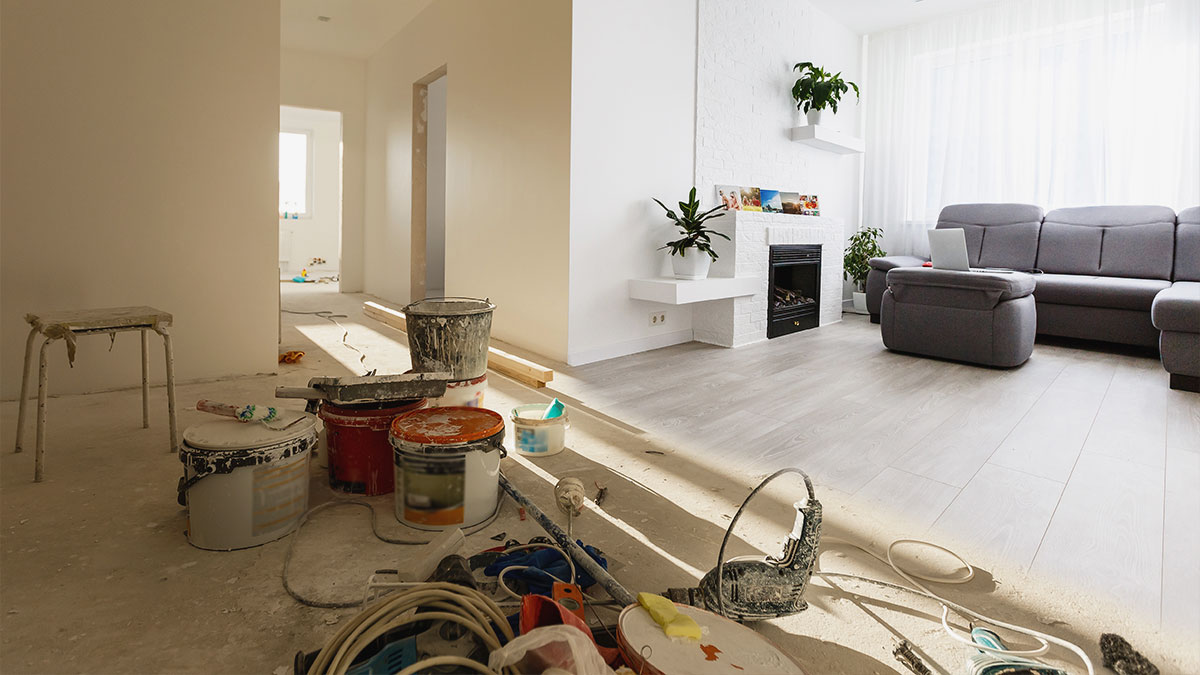
Home renovations bring fresh finishes, better function, and higher property appeal. They also leave behind a mess that does not behave like normal household dirt. Fine drywall dust settles into vents, on trim, inside cabinets, and across floors long after the main work is done. Small debris, adhesive residue, paint splatter, and packaging waste can turn a finished remodel into a stressful final step.
If you are planning a remodel or wrapping up work with a contractor, this guide explains how to approach post construction cleaning in Kirkland, WA in a safer and more organized way. It also shows when it makes sense to bring in a professional team.
Why construction dust is different
Construction dust is not the same as the dust you remove during routine house cleaning. Regular dust usually comes from fabric fibers, skin cells, and daily household activity. Post-renovation dust often includes drywall particles, sawdust, grout haze, insulation fragments, and other fine materials produced during demolition, cutting, sanding, and installation.
That difference matters because fine construction dust spreads fast and settles everywhere. It can collect on baseboards, light fixtures, window sills, blinds, and inside drawers. It often reappears even after a quick wipe-down because it moves through the air and settles in layers. In many cases, it also reaches areas that were not part of the remodel, especially when crews move in and out of the home.
For Kirkland homeowners, this is a common issue after kitchen remodels, bathroom upgrades, flooring replacement, interior painting, and small home improvement projects. Even a limited renovation can leave a wide dust trail that needs more than a surface-level cleanup.
Safety steps before cleaning
Before cleanup starts, slow down and assess the space. Not all debris should be handled the same way. Nails, broken tile, glass fragments, exposed screws, and sharp offcuts need careful removal. Fine dust can also become airborne again if the area is swept aggressively or cleaned in the wrong order.
Start by making sure the work is complete and all contractors have removed their tools and materials. Open windows if conditions allow. Replace or inspect HVAC filters after dusty work. Wear gloves and use a quality dust mask if there is still visible fine particulate matter in the air. Closed-toe shoes are a smart choice during the first phase of cleanup.
It is also important to separate general trash from construction-related debris. Cardboard, plastic wrap, tape, and empty containers may be easy to bag. Heavier materials such as broken drywall, wood scraps, and old fixtures may require proper disposal based on local rules and the amount of waste involved. For local guidance, King County provides helpful information on construction and demolition material disposal and recycling options, including limits for small residential loads and rules for sorting recyclable materials.
Rough clean checklist
The rough clean is the first major pass. Its purpose is to remove large debris, collect dust buildup, and prepare the space for detailed work.
Start by removing all obvious waste. Pick up scraps, packaging, and leftover materials. Vacuum rather than dry sweep whenever possible, especially on hard surfaces, to reduce the spread of fine dust. Work from top to bottom so loosened particles fall onto areas that have not been cleaned yet.
During this stage, focus on broad surface cleaning. Vacuum floors, corners, window tracks, baseboards, shelves, and ledges. Wipe down walls if needed, especially near sanding or cutting zones. Clean inside cabinets, closets, and drawers where dust often settles before the space is used again.
If the renovation involved a kitchen or bath, check tile surfaces, countertops, backsplashes, vanities, and fixtures for residue. Rough cleaning is not about perfect shine yet. It is about clearing the space so detailed work can be done properly.
Detail clean checklist
Once loose debris and the heaviest dust are gone, the detail clean begins. This is where post construction cleaning becomes more precise.
Wipe trim, doors, door frames, switches, outlets, hardware, and light fixtures. Clean windows, frames, and interior glass carefully to remove dust, fingerprints, and sticker residue. Inspect vents and returns, and remove dust from accessible covers. Mop hard floors with the correct cleaner for the surface. Vacuum carpets and rugs slowly and thoroughly.
This is also the phase where smudges, splatter, and adhesive marks get attention. Paint dots on trim, caulk residue on tile, and film on glass often need spot treatment. Care matters here because the wrong product or tool can damage fresh finishes.
A proper detail clean also includes overlooked areas. Tops of cabinets, behind toilets, under sinks, closet shelves, and appliance exteriors often hold the last layer of dust that homeowners notice days later.
Final inspection
The last step is not only cleaning. It is checking the result with a fresh set of eyes.
Walk through the space in daylight if possible. Look at floors from different angles. Run a hand across horizontal surfaces. Check corners, edges, and transitions between rooms. Open cabinets and drawers. Inspect window sills, trim lines, and vent covers. This final inspection helps catch leftover dust before the home returns to normal use.
If you are a contractor, this stage also supports a better handoff. A cleaner finish helps your work look complete and professional. If you are a homeowner, it gives you confidence that the project is ready to enjoy.
When to hire a post-construction crew
Some post-renovation cleanup jobs are manageable. Others are time-consuming, dusty, and easy to underestimate. If the project involved multiple rooms, heavy sanding, flooring work, cabinet installation, or a busy contractor schedule, bringing in a professional crew often saves time and frustration.
A team experienced in post construction cleaning in Kirkland knows how to clean in the right order, reduce dust spread, and focus on the areas homeowners and contractors care about most. That includes detailed surface work, cleanup of fine dust, and preparation of the home for move-in or final reveal.
Professional service also helps protect your investment. After spending time and money on a renovation, the final cleaning should match the quality of the work itself.
Kirkland House Cleaners provides post-construction cleaning for homeowners, remodels, and small contractors who want a clean, polished finish after the job is done. You can also explore our house cleaning services and visit our Cleaning Tips hub for more practical home care guides.
What is post-construction cleaning?
Why is construction dust different from regular household dust?
Is post-construction cleaning safe to do without professional help?
When should you hire a professional post-construction cleaning crew?
How do you dispose of post-renovation debris in Kirkland, WA?
When the dust settles, the final impression still matters. A thorough cleanup helps your renovation look finished, feel safer, and function the way it should from day one. If you need help after a remodel, contact Kirkland House Cleaners to discuss your post-construction cleaning needs.
