
If someone in your home deals with seasonal allergies, asthma, or persistent irritation, you already know the frustrating part: symptoms often feel worst indoors, even when the weather looks calm outside. In Kirkland and across the Eastside, early allergy season prep helps because dust, pet dander, and tracked-in pollen build up quietly through winter and early spring, then get stirred up the moment you start opening windows, spending more time outside, or hosting extra activity in the house. This guide focuses on allergy friendly house cleaning Kirkland homeowners can follow to reduce common indoor triggers with a routine you can sustain, not a one-time cleaning sprint.
You will learn what to control at the entry, how to remove allergens without sending them airborne, why vacuuming beats sweeping for most allergy sufferers, and how to set a realistic cleaning frequency for bedrooms and other soft-surface areas. You will also see when professional cleaners help most, especially for families who need consistency but do not have spare hours every week.
Why allergies often feel worse at home
Your home recirculates air, and that recirculation keeps tiny particles moving through the rooms where you sleep and relax. HVAC airflow, bathroom fans, ceiling fans, walking traffic, and even making the bed can lift fine dust back into the breathing zone, which explains why some people wake up congested or get itchy eyes right after tidying. Soft surfaces make the problem harder because carpet, rugs, upholstery, curtains, and bedding trap allergens and then release them whenever you sit down, shake out a blanket, or vacuum too quickly.
The most common indoor triggers include dust mites and their waste, pet dander and saliva proteins, pollen carried in on shoes and fabric, mold spores from damp areas, and, for some households, sensitivity to smoke or strong fragrances. The goal is not a sterile home; the goal is a home where allergens do not accumulate in the areas closest to your face for long periods, especially bedrooms and main living spaces.
Dust, pet dander, and pollen control indoors
A practical allergy plan has three parts: reduce what comes in, remove what builds up, and prevent soft surfaces from becoming long-term storage for allergens. When homeowners try to skip the “control what comes in” step, they end up cleaning more often without seeing the symptom relief they expected.
Control what comes in
Start at the entryway, because shoes and outerwear carry a surprising amount of pollen and street dust into your home. Use a doormat outside and another inside, create a simple shoes-off routine, and store jackets in a closed closet rather than on an open hook where pollen can spread into the air each time you grab a sleeve. If you have pets, brushing them outdoors or in a garage area reduces dander that would otherwise settle on sofas and rugs, and washing pet blankets regularly keeps the “favorite sleeping spot” from becoming an allergen hotspot.
HVAC filters also matter more than people think, because they are part of your home’s air loop; when filters clog, airflow changes and fine particles keep cycling through rooms. A routine filter change schedule, matched to your system and household, supports allergy control because it reduces recirculated dust. What is a HEPA filter?
Remove what builds up
When you dust, the method matters as much as the frequency. Dry dusters often lift particles and spread them into the air, which can trigger symptoms immediately and then settle those particles right back onto nearby surfaces. A damp microfiber cloth works better because it captures particles instead of launching them, and microfiber holds on to fine dust that traditional cloths miss. Wipe horizontal surfaces first, then move to baseboards, window sills, and the ledges where dust settles, and rinse or replace cloths as they load up so you do not smear dust around.
For the areas that collect invisible film, such as door frames, light switch plates, and cabinet faces, a light wipe on a consistent schedule prevents the sticky buildup that traps more dust over time. See deep cleaning tips for dust control.
Reduce what stays trapped
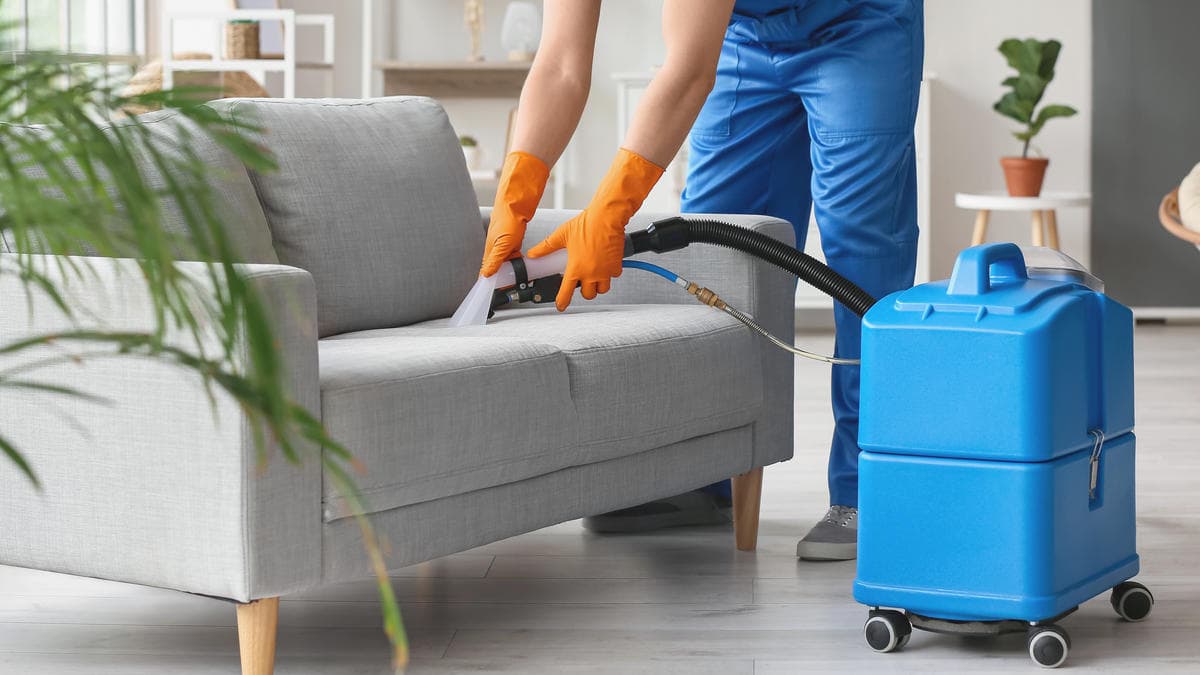
Soft surfaces often decide whether an allergy routine succeeds. If your home has rugs, carpet, upholstered furniture, or heavy curtains, those items hold allergens long after the room looks tidy. Vacuuming slowly with strong suction removes more than a quick pass, and using a HEPA-filter vacuum helps when symptoms are frequent because it captures fine particles instead of exhausting them back into the room. In bedrooms, allergen-proof mattress and pillow covers can help reduce dust mite exposure, and washing bedding on schedule breaks the cycle that feeds dust mites.
Vacuuming vs sweeping for allergy sufferers
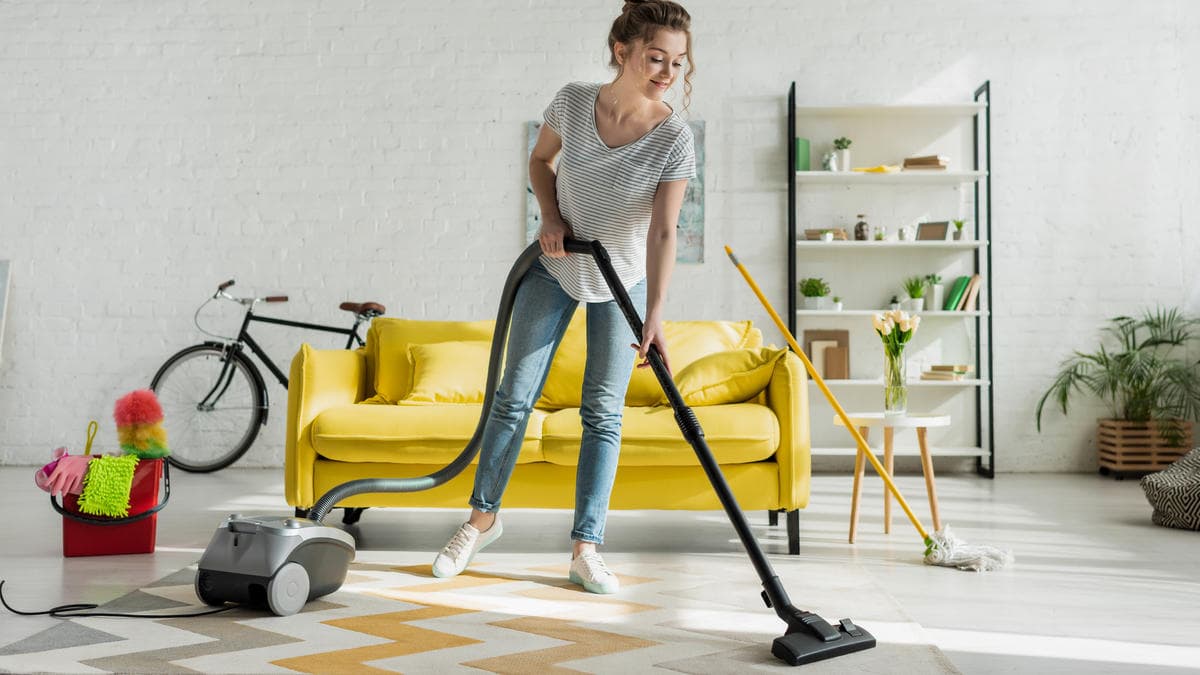
Sweeping feels productive, but for many allergy sufferers it makes symptoms worse because a broom flicks fine dust into the air and keeps it suspended long enough to reach eyes and lungs. Vacuuming works better because it captures particles rather than lifting them, and it lets you clean edges where dust and pet hair hide without creating a dust cloud.
For hard floors, an effective approach is to vacuum first to capture fine dust and hair, then mop to remove the remaining film, since mopping alone often pushes residue around. If you must sweep, use a damp microfiber mop head first to capture fine dust, then sweep larger debris, and then mop; this sequence reduces airborne particles and improves the finish. Read our cleaning tips for Kirkland homeowners.
Recommended cleaning frequency for bedrooms and soft surfaces
For allergy friendly house cleaning Kirkland homeowners want to maintain, frequency beats intensity. A “deep clean once a month” rarely supports someone who reacts every night, because allergens rebuild quickly in bedding and soft surfaces. Start with the bedroom because it is where you spend the longest uninterrupted time, and symptom relief often improves when you treat the bedroom like your primary “clean air zone”.
Weekly bedroom routine:
- Wash sheets and pillowcases.
- Vacuum floors, including edges and under the bed area if possible.
- Wipe nightstands, headboards, and window sills with a damp microfiber cloth.
Every two weeks:
- Wash blankets and throws, especially if pets sit on the bed.
- Wipe baseboards and door frames to remove settled dust.
- Vacuum the mattress surface and bed frame to reduce dust accumulation.
Monthly:
- Clean blinds or vacuum curtain edges to remove trapped dust.
- Vacuum upholstery in the room, including seams and cushions.
- Wipe vent covers and the area around returns where dust collects.
In living rooms and other soft-surface zones, weekly vacuuming of rugs and main traffic areas helps, and vacuuming sofas where pets sit reduces dander buildup. If someone in the home has significant symptoms, increase the frequency before peak season rather than waiting for symptoms to worsen.
Moisture control in bathrooms and kitchens
Allergies are not only pollen and dust, and irritation often rises when bathrooms and kitchens stay damp. Mold-related irritation often begins in corners you do not see, so moisture control works as prevention. Run the bathroom fan during showers and for at least 20 minutes after, wipe wet surfaces when possible, keep grout and caulk lines clean, fix slow leaks under sinks, and pay attention to drain areas that develop odor and residue over time.
How professional cleaners support allergy-prone households
Professional cleaning helps most when your home has multiple triggers and you need consistency but do not have time to maintain the right schedule. A professional team can support an allergy-prone household in ways that go beyond a standard tidy-up, especially when the routine targets hidden dust zones and uses methods that reduce airborne particles.
First, experienced cleaners use a system designed to control dust, not spread it, which means they clean top to bottom, rely on microfiber methods, and avoid techniques that throw allergens into the air. Second, they target the zones homeowners often skip under time pressure, such as baseboards, corners, window sills and tracks, vent covers, upholstery seams, and the edges beneath beds and furniture where dust and pet hair settle.
Third, professional support helps you keep the schedule that allergy control requires, which reduces the rebound effect where dust builds for weeks and then gets disturbed all at once. Finally, when cleaners handle the detailed work, you can focus on the daily habits that matter most, such as keeping shoes at the door, rotating pet blankets, and maintaining a consistent bedroom bedding routine.
If you want support, our teams build plans for allergy-prone households, including recurring visits that keep dust and dander from building up between cleanings. See our recurring house cleaning in Kirkland, Eastside home cleaning services.
An early-season plan for Eastside homeowners
If you want to prepare before symptoms spike, start two to three weeks early and focus on a repeatable routine. Wash bedding weekly, vacuum bedrooms and rugs weekly, wipe baseboards and window sills every two weeks, clean vent covers and returns monthly, keep shoes at the door daily, and rotate pet bedding and throws weekly. When you follow that cadence consistently, you reduce indoor triggers before outdoor pollen ramps up, and many households notice better sleep and fewer morning symptoms.
Want an allergy friendly cleaning routine in Kirkland?
If your household struggles with allergies, a one-time clean rarely solves the problem, because symptom relief depends on routine, tools, and consistent follow-through. If you want help building and maintaining an allergy friendly house cleaning Kirkland plan, book a recurring clean with Kirkland House Cleaners and tell us what your household reacts to most, so we can prioritize the zones that affect your breathing and sleep.
